
St Andrews – nothing quite like it – a personal perspective
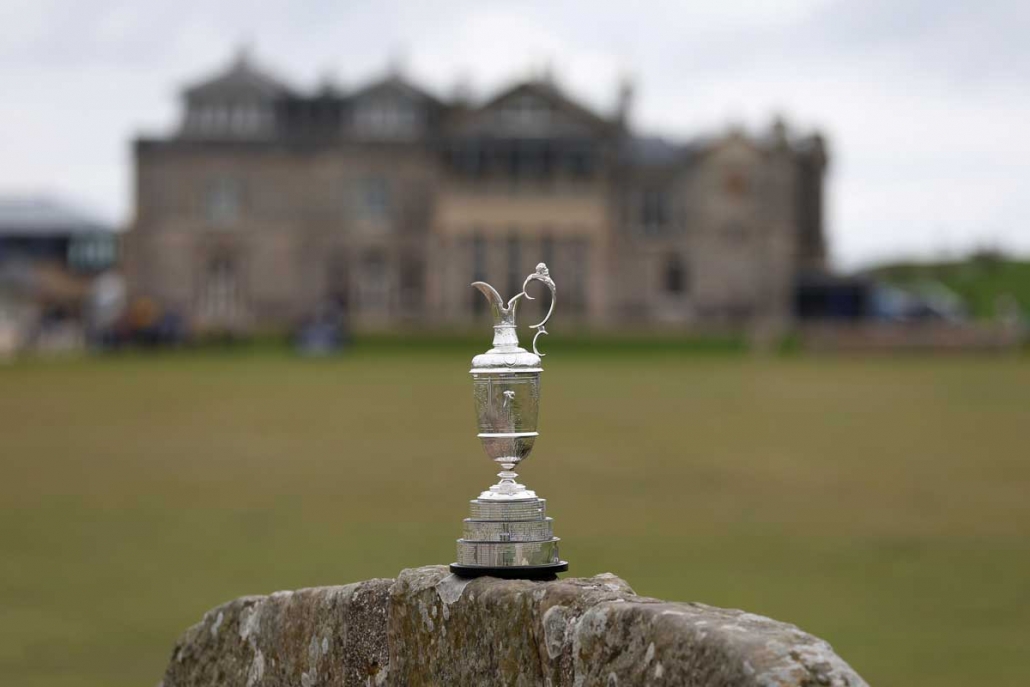
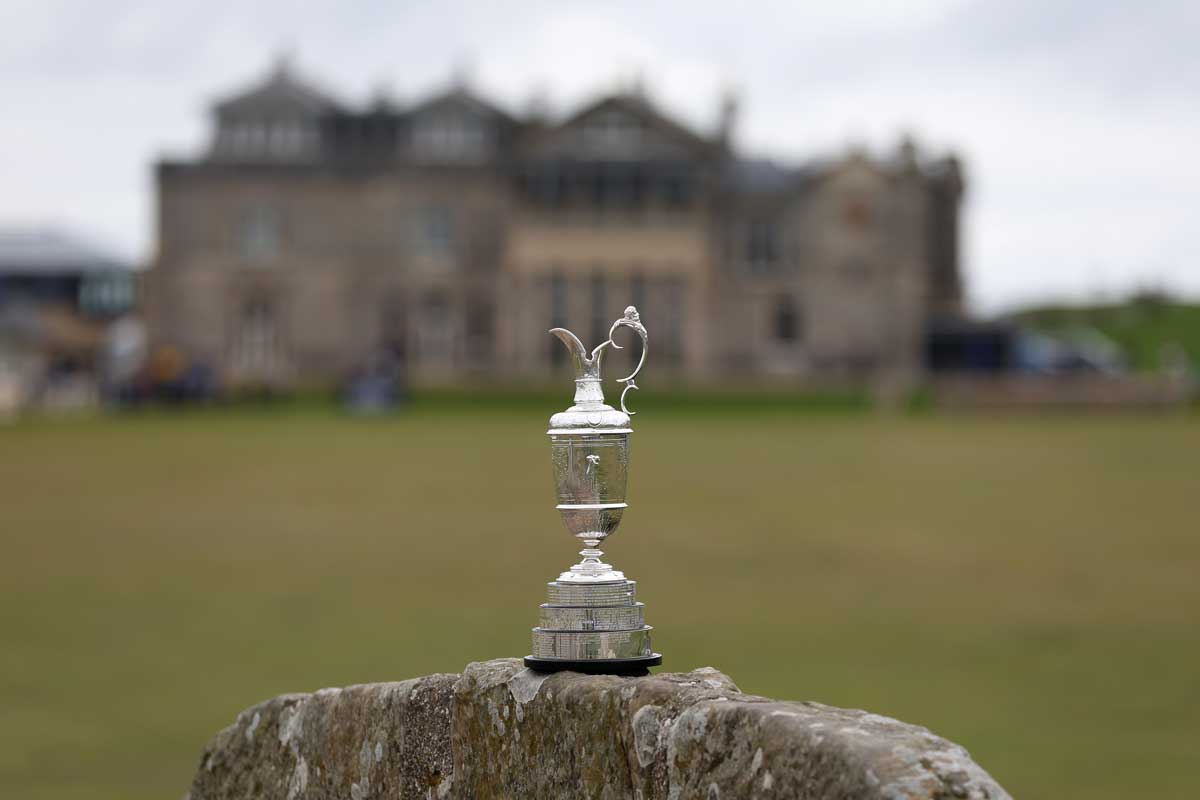
St Andrews and the Open Championship go hand in hand – photo R&A
I have heard it so often and it happened to me.
On arrival in St Andrews for the very first time in 1973, I was a little underwhelmed by what I saw. I was there to caddy for the now late Australian golfer, Bob Shearer, at the Scottish Open in July of that year and after our first practice round I was struggling to understand just what all the fuss was about.
Admittedly, even though by then I had caddied in 20 or so tournaments and three of those for wins by Jumbo Ozaki and John Lister, I was still (at the age of 19) developing an understanding of golf courses and learning what made good golf courses good and vice versa.
By the end of that very first week at St Andrews, however, I had fallen in love with the not only the golf course but the township of St Andrews itself and, looking back now, it had opened my eyes to the subtleties of links golf and just how a golf course which had staged its first Open Championship 100 years earlier, could still offer such intrigue and strategic demands. Another 49 years on, despite the changing face of golf technology, it still does.
Shearer finished 14th that week with a score of 9 over par, the winner being a man who I would go on to caddy for on many occasions, Graham Marsh, his winning score of 2 under par 286, giving him a six-shot victory over the superb English golfer, Peter Oosterhuis.
What I learnt that week was that the demands and difficulty of links golf on any given day are very much determined by the overhead elements as much as the layout which is being played, but also that a golf course which had, at that point, seen not a lot of change over so many years was still capable of challenging some of the world’s best.
When playing St Andrews you might walk past a bunker one day and wonder just why anyone would bother to put a bunker in a certain position and the next day you could well find yourself in the middle of that bunker. Certainly not unique to St Andrews, admittedly, but typical of links golf generally with those variations subject to changing conditions daily and at times even during the course of any one day where the changing tide, from the adjacent North Sea in St Andrews’ case, can influence the direction and strength of the winds.
It was not only the golf course that left an indelible mark on me at the time, it was the township itself, so full of the history of golf and education (it is a university town) and character and that I was there in the middle of summer, that made it such a fun place to be for a young impressionable man with a passion for golf, life and history.
In mid-summer, daylight lasts to 10.30 pm or so in that region and I can recall in the days when caddies were required to survey the pin positions each morning, going out after a few beers at the 19th alongside the 18th to get the pin positions for the following day after they had been cut, or pinpointed at least, that evening.
In more recent years, pin positions have been made available to all on the first tee at all events avoiding an armada of caddies wandering around the golf course early in the morning viewing and sourcing such information, but having the opportunity of doing so late in the evening was another special memory I have for the venue.
The first time the Open Championship was played over 72 holes at St Andrews the winning score was 322 and it is interesting to see the progression in scores since. 300 was broken for the first time in James Braid’s 5th Open Championship victory in 1910 (299) and in general scores have continued to lower since.
Tiger Woods’ remarkable victory in 2000, when he produced a 19 under par score of 269 is still the lowest winning total at St Andrews. Woods not once visited one of The Old Course’s, at times, notorious bunkers throughout his 72 holes. It must still go down as one of one of Wood’s most emphatic and clinical victories.
Woods won by 8 shots over Thomas Bjorn that week and even though he won the US Open a few weeks earlier by 15 shots his effort at St Andrews was him at his very best.
The history, mystique, intrigue, design subtlety and longevity of the golf course along with its standing as the Home of Golf and the history surrounding the town itself, make St Andrews a must visit for all golf fans and this year’s 150th staging of the Open Championship is one of those week’s that those who get to be on site will forever look back and say ‘I was there’.

